Our Story
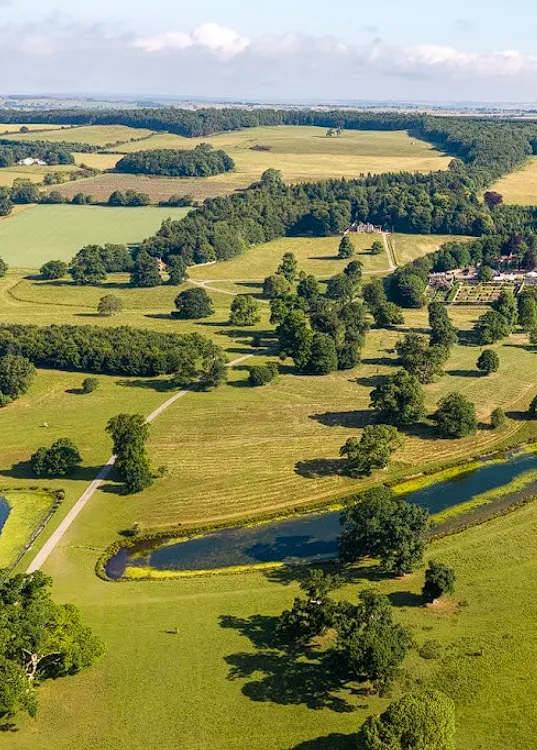
Rooted in heritage.
Focused on the future.
Raby has been shaped by more than 600 years of family stewardship. As custodians of the land for generations, we understand that looking after an estate is about more than protecting what exists today - it is about making thoughtful decisions that secure its future. Today, Raby is still family-owned and remains committed to the long-term stewardship of its land, buildings and natural environment. As the 12th generation, we have a responsibility to respect our heritage while continuing to evolve as a forward-looking rural business.
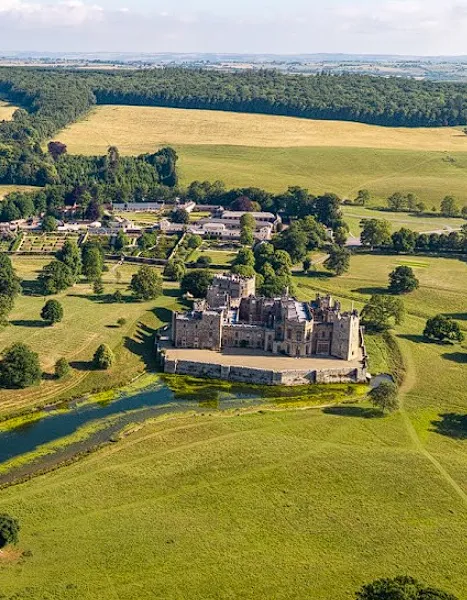
Responding to a changing landscape
The way land is managed is changing. Environmental Land Management schemes, Biodiversity Net Gain and emerging natural capital markets are creating new opportunities for landowners to support nature while building sustainable, resilient businesses.
We have considered these changes as part of our wider estate strategy. We believe that responding positively to the changing environmental and social landscape is an important part of our role as a major landowner.
Our approach is not about stepping away from productive land use. It is about finding practical ways for agriculture, property, nature recovery and other land-based enterprises to work together – creating benefits for both people and the environment.
Already delivering
Our Natural Capital journey is already underway. We have identified and are managing a number of BNG sites across the estate, with five sites already resulting from development activity and providing opportunities to deliver measurable biodiversity improvements.
With around 300,000 visitors coming to Raby Castle, Park and Gardens each year, we also have a unique opportunity to connect people with the natural environment and demonstrate what responsible land management can achieve.
These projects build on work already taking place across the estate, from habitat creation and enhancement to environmental stewardship and long-term landscape management.
A diverse estate
Raby’s land is diverse. It includes large areas of productive agricultural and rural land alongside specialist habitats, woodland, parkland and other land uses.
This variety provides an opportunity to deliver biodiversity improvements at different scales and in different ways. From straightforward land parcels to more specialist habitats, we can identify opportunities that are appropriate to the landscape and capable of delivering meaningful, long-term outcomes.
Our aim is simple: to use our experience, our land and our long-term perspective to create biodiversity improvements that stand the test of time. For us, Biodiversity Net Gain is not simply about meeting a requirement. It is part of our wider responsibility as custodians of the land – protecting our heritage while creating a more resilient and biodiverse future.